
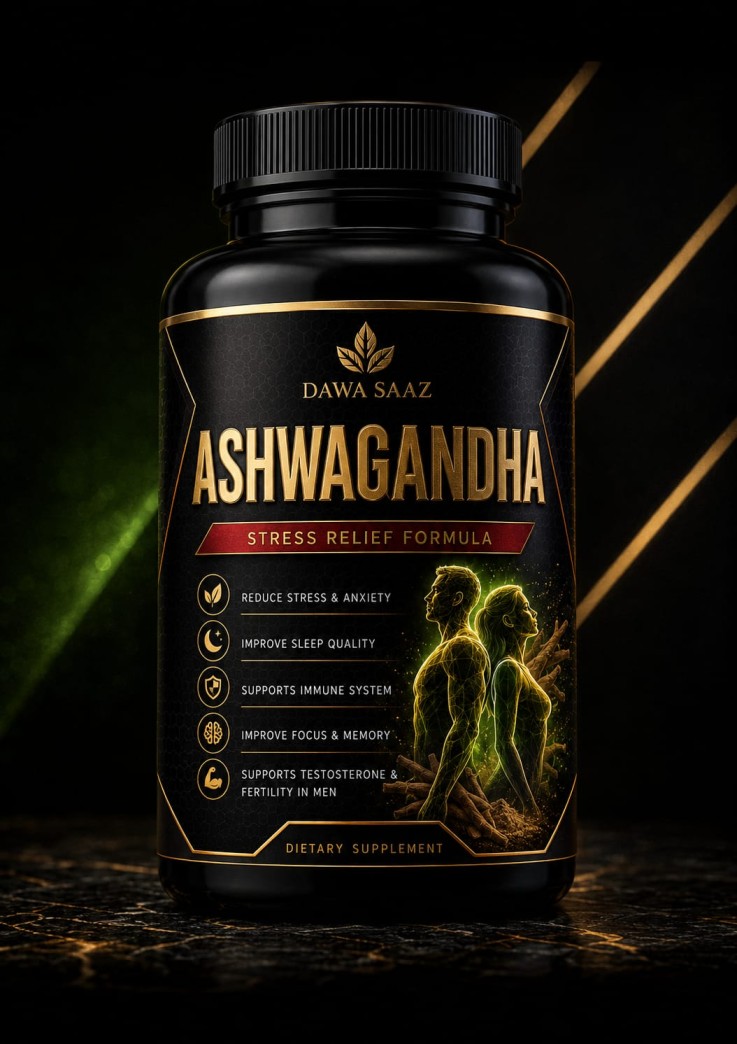
From the Dawa Saaz Wellness Journal. Understand ashwagandha’s traditional background and learn what makes one ingredient label different from another.
A familiar root with a long history
Ashwagandha, botanically known as Withania somnifera, has been part of South Asian herbal traditions for generations. Today it appears in powders, capsules and standardized extracts. Its botanical name matters because familiar names are sometimes used for different products and formulations.
Root powder or extract?
A root powder is prepared from dried plant material, while an extract is processed to concentrate selected constituents. They should not be treated as interchangeable simply because both say “ashwagandha.” Look for the plant part, extract ratio if provided, and amount per serving.
How to read the label
A useful product label clearly lists the botanical name, serving size, other ingredients, instructions and manufacturer contact details. Avoid choosing solely by the biggest number on the front of the bottle. The actual form and amount are more important than dramatic marketing promises.
Make an informed choice
Research on ashwagandha is developing, but results depend on the preparation and the people studied. If you are pregnant, breastfeeding, taking medication or managing a medical condition, ask a qualified healthcare professional before using it. A supplement is not a replacement for medical treatment or everyday healthy habits.
Editor’s note: This is sample journal content created for the Dawa Saaz website preview. Review and approve the wording before treating it as final brand guidance. This article is informational and not a substitute for professional medical advice.